
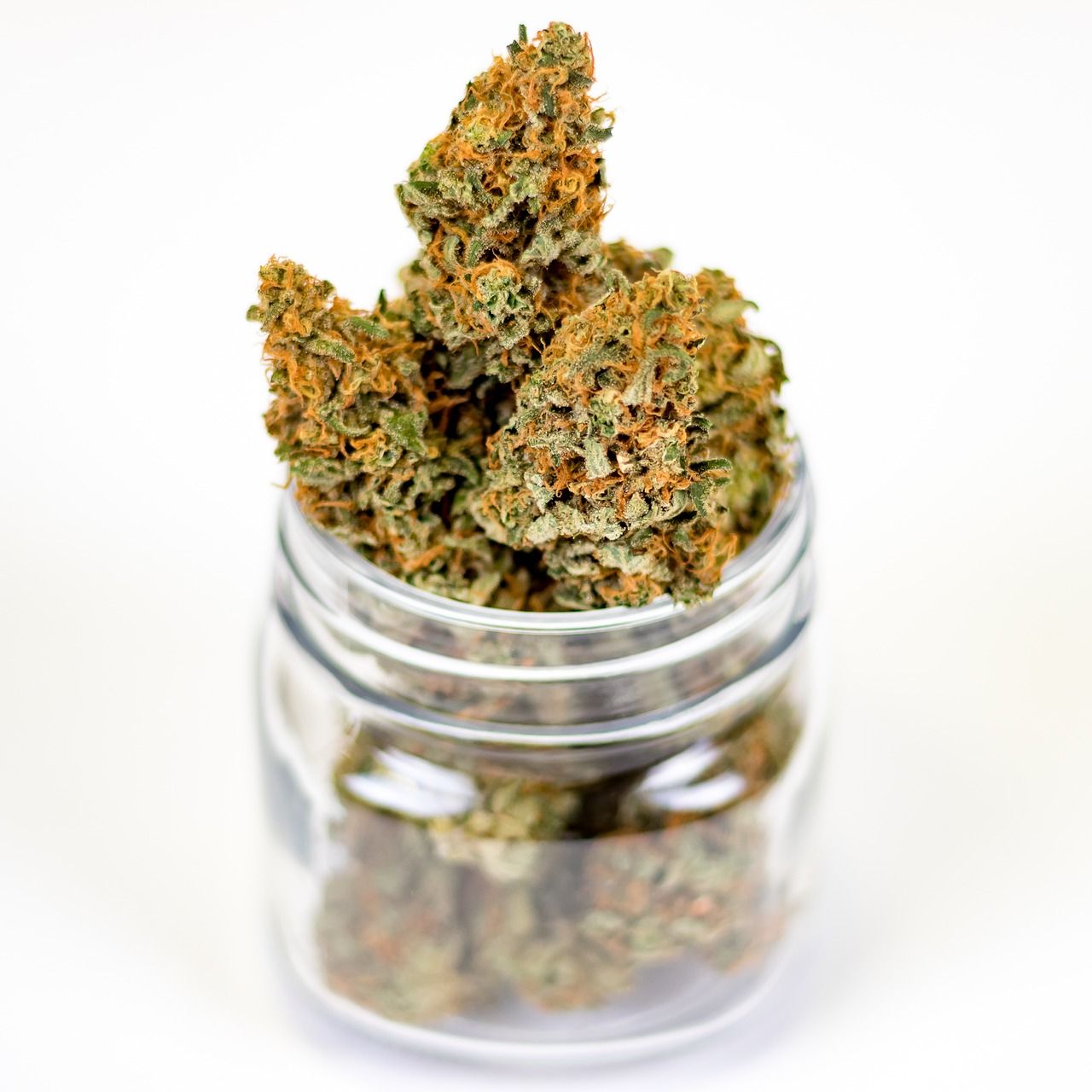
Cannabis legalization continues to expand across the United States, making both medical cannabis and recreational cannabis more accessible than ever. As more states adopt legal programs, understanding the difference between medical vs recreational cannabis is essential for consumers.
For many people, choosing between medical marijuana and recreational marijuana affects everything from cost and taxes to product access and potency. Medical cannabis is typically used to manage specific health conditions with a doctor’s recommendation, while recreational cannabis is intended for personal enjoyment by adults of legal age.
What Is Medical Cannabis?
Medical cannabis, also known as medical marijuana, is used to help treat or manage specific health conditions under the guidance of a licensed healthcare provider. Patients typically need a qualifying condition, such as chronic pain, anxiety, or epilepsy, and must obtain a doctor’s recommendation or a state-issued medical marijuana card to legally access products. Once approved, patients can purchase cannabis from licensed medical dispensaries that offer products tailored for therapeutic use, including options with specific cannabinoid ratios like CBD and THC. Medical cannabis programs may also provide higher potency limits, lower taxes, and access to a wider range of products designed to support symptom relief and overall wellness.
What Is Recreational Cannabis?
Recreational cannabis, also known as adult-use cannabis, refers to cannabis that is legally purchased and consumed for personal enjoyment rather than medical purposes. In states where it is legal, adults aged 21 and over can buy recreational marijuana from licensed dispensaries without a doctor’s recommendation or medical card. This makes access to recreational cannabis more straightforward than medical programs, with a wide variety of products such as flower, edibles, vapes, and concentrates available. Recreational cannabis is still regulated by state laws, including purchase limits, possession rules, and taxation.
Key Differences Between Medical and Recreational Cannabis
When comparing medical vs recreational cannabis, several key differences stand out, including eligibility, cost, product access, and overall purpose. Medical cannabis requires a doctor’s recommendation and a valid medical marijuana card, while recreational cannabis is available to any adult 21 and over in states where it is legal. Medical marijuana patients often benefit from lower taxes and may have access to higher potency products or larger purchase limits. In contrast, recreational marijuana is designed for general use and convenience. These differences highlight how each program is structured around different consumer needs and regulations.
Which One Is Right for You?
Choosing between medical vs recreational cannabis depends on your individual needs, lifestyle, and local laws. If you are seeking targeted relief for a specific health condition, medical cannabis may offer more benefits, including access to specialized products, higher potency options, and lower taxes with a valid medical marijuana card. Recreational cannabis is a convenient option for adults who want easy access without a doctor’s recommendation. By comparing medical marijuana vs recreational marijuana, you can make an informed choice that aligns with your personal goals and cannabis experience.