
Depression and mood disorders affect millions of adults worldwide, leading many consumers to explore alternative wellness options such as CBD for depression and anxiety support [1]. Cannabidiol (CBD), a non-intoxicating compound derived from cannabis, has gained attention for its potential influence on stress response, sleep quality, emotional regulation, and the body’s endocannabinoid system [2]. Early research suggests CBD may interact with serotonin signaling and other neurological pathways associated with mood balance, although experts caution that evidence in humans remains limited and inconclusive [2][4]. Current studies indicate promising therapeutic potential, particularly for anxiety-related symptoms, but CBD should not be viewed as a replacement for professional mental health treatment or prescribed medications [3]. As interest in mental health and CBD continues to grow, consumers should understand both the potential benefits and limitations before incorporating cannabidiol products into a wellness routine.
What Is CBD?
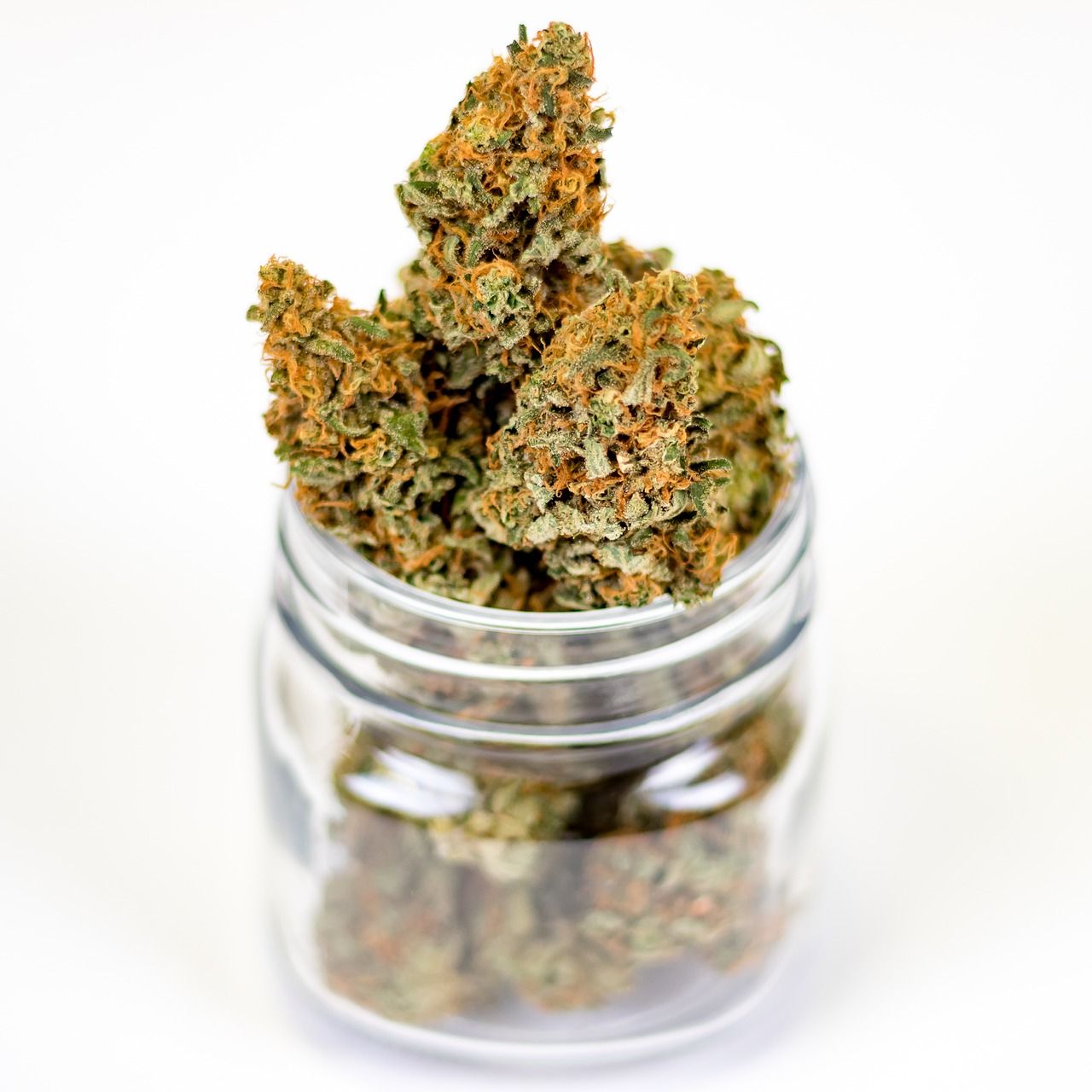
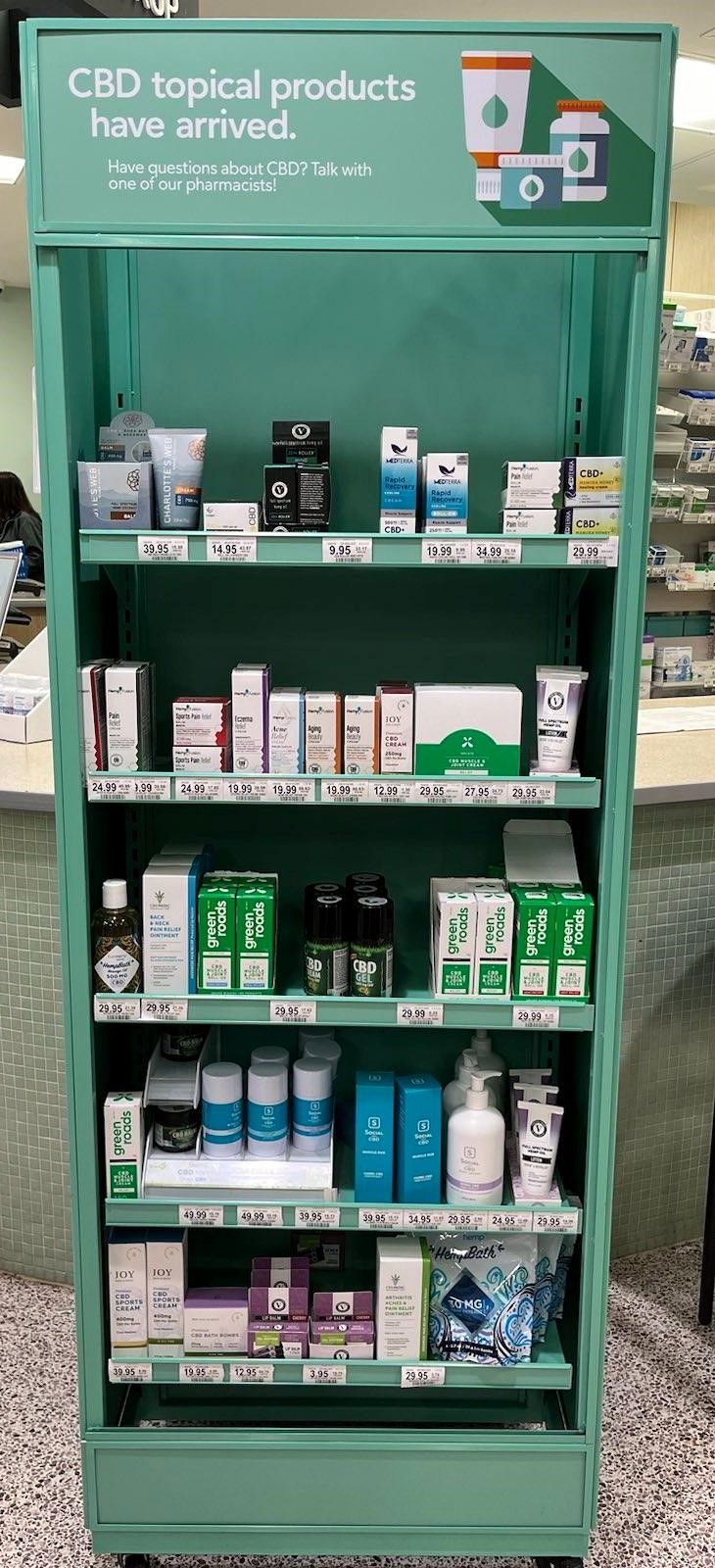
Cannabidiol (CBD) is a naturally occurring compound found in the cannabis plant that has become increasingly popular for wellness and mental health support [1]. Unlike tetrahydrocannabinol (THC), the psychoactive compound in cannabis, CBD does not produce an intoxicating “high” [1]. Researchers believe CBD interacts with the body’s endocannabinoid system (ECS), a complex network involved in regulating mood, stress response, sleep, and emotional balance [2][3]. This connection has contributed to growing interest in CBD for depression, anxiety, and other mood disorders. CBD products are available in several forms, including oils, tinctures, capsules, edibles, beverages, and topical products, allowing consumers to choose options that fit their preferences and lifestyles [4]. While early studies on cannabidiol benefits are promising, experts emphasize the need for more large-scale human research to better understand CBD’s effectiveness and long-term safety for mental health use [2].
Can CBD Help With Depression and Mood Disorders?
Interest in CBD for depression and mood disorders has increased significantly as researchers continue exploring how cannabidiol may influence mental health. Early scientific evidence suggests CBD interacts with serotonin receptors, stress-response pathways, and the body’s endocannabinoid system, all of which play important roles in mood regulation and emotional balance [1]. Some studies indicate CBD may help reduce symptoms associated with anxiety, chronic stress, sleep disturbances, and inflammation, which are factors that can contribute to depression and other mood-related conditions [2]. Researchers have also examined CBD for anxiety and depression in people experiencing post-traumatic stress disorder (PTSD), social anxiety, and stress-related mood symptoms, with several small studies reporting positive outcomes [1][4]. However, most current findings come from preclinical or limited human research, meaning more large-scale clinical trials are still needed before definitive conclusions can be made about CBD’s effectiveness as a mental health treatment [3].
It is also important to understand that CBD is not considered a cure or first-line treatment for major depressive disorder, bipolar disorder, or other serious psychiatric conditions [2]. Mental health experts caution that while some consumers report improvements in relaxation, sleep quality, and emotional well-being after using cannabidiol products, individual responses can vary depending on dosage, product quality, underlying health conditions, and concurrent medications [5]. In some cases, self-treating mood disorders with CBD without professional supervision may delay proper diagnosis or evidence-based care. For this reason, healthcare providers generally recommend using CBD as a complementary wellness approach rather than a replacement for therapy, counseling, or prescribed antidepressant medications [5].
Potential Benefits of CBD for Mental Health Support
Research into CBD for anxiety and depression continues to expand as scientists investigate how cannabidiol may support emotional wellness and stress management. Some studies suggest CBD may help promote relaxation, reduce feelings of anxiety, and improve sleep quality by interacting with receptors involved in mood regulation and the body’s stress response system [1][2]. Because poor sleep and chronic stress are closely linked to depression and mood disorders, these potential effects have contributed to growing consumer interest in mental health and CBD products. Preliminary findings also suggest cannabidiol may help support emotional balance and reduce stress-related symptoms in certain individuals, although results can vary depending on the person, dosage, and product formulation [3]. While many consumers report positive experiences using CBD for stress relief and overall wellness, researchers emphasize that current evidence remains limited, and more large-scale clinical studies are needed to confirm long-term effectiveness and safety [4].
Risks, Side Effects, and Safety Considerations
Although many consumers view CBD for depression and anxiety as a natural wellness option, cannabidiol is not without potential risks and side effects. Research shows that CBD may cause fatigue, drowsiness, dry mouth, changes in appetite, diarrhea, and dizziness in some individuals [1]. Experts also warn that CBD can interact with certain medications, including antidepressants, anti-anxiety drugs, blood thinners, and other psychiatric medications, potentially altering how these drugs are metabolized in the body [2]. Another important concern involves product quality and labeling accuracy, as some CBD products may contain inaccurate cannabinoid levels, contaminants, pesticides, or undisclosed THC if they are not properly third-party tested [3]. Mental health professionals further caution against using CBD as a substitute for evidence-based treatment, particularly for serious mood disorders such as major depression or bipolar disorder, where delaying professional care could worsen symptoms [4]. Consumers interested in cannabidiol benefits should consult a qualified healthcare provider before adding CBD products to their mental health or wellness routine.
How Consumers Use CBD Responsibly
Consumers interested in using CBD for depression, anxiety, or stress relief are encouraged to approach cannabidiol products carefully and responsibly. Healthcare experts recommend choosing CBD products from reputable companies that provide third-party lab testing to verify cannabinoid content, purity, and the absence of contaminants such as pesticides or heavy metals [1]. Understanding the differences between full-spectrum, broad-spectrum, and CBD isolate products is also important, as each formulation contains varying cannabinoid profiles that may affect individual experiences and sensitivity to THC [2]. Because there is currently no standardized CBD dosage for mood disorders, many consumers begin with a low dose and gradually adjust based on personal response and healthcare guidance [3]. Medical professionals also advise discussing CBD use with a qualified healthcare provider, especially for individuals taking antidepressants or other psychiatric medications, to reduce the risk of drug interactions and ensure CBD is used safely as part of a broader mental health and wellness plan [4].
Learn More: CBD dosing for Therapeutic Application
In Summary
Interest in CBD for depression and mood disorders continues to grow as researchers explore the potential relationship between cannabidiol, the endocannabinoid system, and mental health support. Early studies suggest CBD may help with stress reduction, anxiety management, sleep quality, and emotional balance in some individuals, but current evidence remains limited and additional large-scale clinical research is still needed to confirm its long-term effectiveness and safety [1][2]. While many consumers report positive experiences using CBD for anxiety and depression symptoms, experts emphasize that cannabidiol should be viewed as a complementary wellness tool rather than a replacement for professional mental health care, therapy, or prescribed medications [3].
References
- Cannabidiol in Anxiety and Sleep: A Large Case Series https://pmc.ncbi.nlm.nih.gov/articles/PMC6326553/
- Cannabidiol (CBD) in the Self-Treatment of Depression Symptoms: A Systematic Review https://pmc.ncbi.nlm.nih.gov/articles/PMC8980587/
- What We Know — and Don’t Know — About CBD | Harvard Health https://www.health.harvard.edu/blog/cannabidiol-cbd-what-we-know-and-what-we-dont-201808242496
- Evidence for Use of Cannabinoids in Mood Disorders and Anxiety Disorders | PubMed https://pubmed.ncbi.nlm.nih.gov/33530732/
- Cannabidiol (CBD) — What We Know and What We Don’t | Harvard Health https://www.health.harvard.edu/blog/cannabidiol-cbd-what-we-know-and-what-we-dont-201808242496
- Cannabidiol as a Potential Treatment for Anxiety and Mood Disorders | National Library of Medicine https://pmc.ncbi.nlm.nih.gov/articles/PMC4604171/
- The Endocannabinoid System and Its Role in Mood and Mental Health | NIH https://www.ncbi.nlm.nih.gov/books/NBK425767/
- Cannabidiol (CBD): Uses, Forms, and Safety Considerations | Mayo Clinic https://www.mayoclinic.org/drugs-supplements-cbd-extract/art-20446700
- Mental Health and CBD: What Current Research Says | National Center for Complementary and Integrative Health (NCCIH) https://www.nccih.nih.gov/health/cannabis-marijuana-and-cannabinoids-what-you-need-to-know
- CBD and Drug Interactions: What You Need to Know | Harvard Health https://www.health.harvard.edu/blog/cbd-and-other-medications-proceed-with-caution-2021011121743
- CBD Oil: Full-Spectrum vs. Broad-Spectrum vs. Isolate | Forbes Health https://www.forbes.com/health/body/full-spectrum-cbd-vs-broad-spectrum-cbd/